CALL TODAY
(678) 603-7775
JOHN'S HEATING, COOLING, and APPLIANCE REPAIR
One company for all your household or business needs!
Your Premier Multi-Service Solution for Your Household and Business Needs!
Looking for a professional multi-service company to handle all your air conditioning repairs, heating system repairs, commercial refrigeration repairs, commercial appliance repairs, residential appliance repairs, HVAC installations, and planned maintenance plans for AC systems and appliances.
Finding a reliable service provider can be challenging for busy homeowners and small business owners who need to keep up with maintenance schedules and repairs for smooth operations. It becomes frustrating when you have to search for different companies for various needs, only to find out all service providers are not created equal and can be unreliable.
John’s Heating, Cooling, and Appliance Repair is a multi-service company able to handle all your air conditioning repairs, heating system repairs, commercial refrigeration repairs, commercial appliance repairs, residential appliance repairs, HVAC installations, and planned maintenance plans. Our focus is on simplifying the process of scheduling maintenance and repairs, making it easy and hassle-free for you.
Our simple yet powerful idea revolves around developing a multi-service company that offers a wide range of services all under one roof. The convenience of having a single point of contact for all your electrical, heating, cooling, refrigeration, ice machine, and appliance repair needs saves you time and ensures consistency and reliability in service. What sets us apart is our technical expertise and the relationships we build.
We prioritize connecting with our customers, ensuring trust and satisfaction beyond just the service itself. When you choose us, you can deal directly with the owner, providing you with the peace of mind that your concerns are personally heard and addressed. We value direct communication and take pride in building lasting relationships. John’s Heating, Cooling, and Appliance Repair was established with a commitment to quality and expert service. We are your all-in-one solution.
HVAC Installation, Heating and Air, Commercial Refrigeration, and Appliance Repair

In the past, refrigeration systems were considered a luxury item, but over time, they have become an essential part of our lives. If you find yourself with a broken or malfunctioning refrigerator, don't hesitate to contact us. We will assess the cost of repairing it versus the cost of purchasing a new one, providing you with our professional opinion. Additionally, we will guide you on which brands to avoid, ensuring that you can make an informed decision. Our refrigerator repair services are available in Fayetteville, Newnan, and Peachtree City.
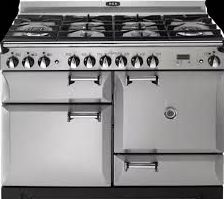
The turkey has been perfectly seasoned, the table is elegantly set, and your beloved family will be arriving soon – but suddenly, your oven refuses to heat up! Don't allow this unfortunate situation to spoil your special day. You no longer have to endure the frustration of dealing with an oven or stove that cooks unevenly, too quickly, or becomes excessively hot. Our expert team provides prompt same-day service and emergency assistance. We are proud to be the trusted stove and oven specialists preferred by most manufacturers.
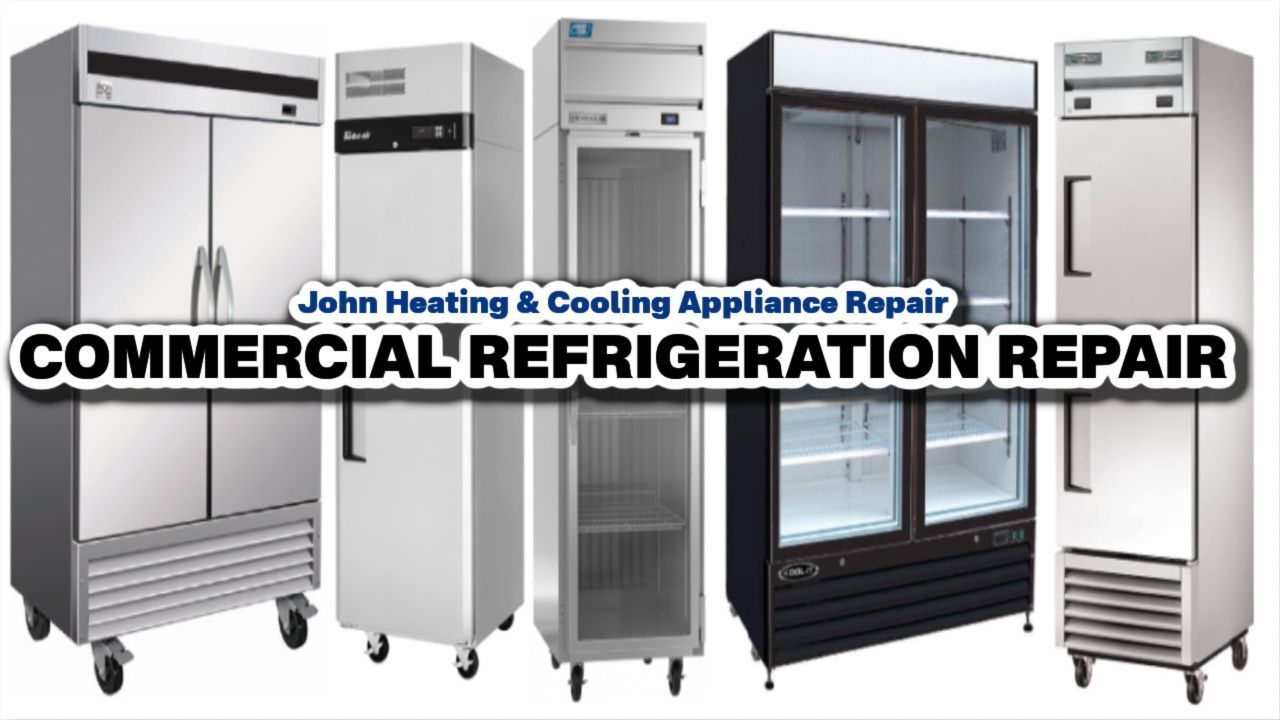
Commercial refrigerators are known for their ability to keep food and beverages cool in almost every grocery store and numerous restaurant kitchens. Remember those sleek glass sliding-door and sliding-top coolers you often see at gas stations, specifically designed for drinks and ice cream? True is the brand behind them. When it comes to commercial refrigeration products that exude style, True Residential is the name you should never forget. If you happen to live in Atlanta, Peachtree City, Macon, Newnan, Paces Ferry, Buckhead, Fayetteville, or the surrounding areas, do not hesitate to reach out to us.

We understand that the last thing you want to do is waste time hanging laundry or making trips to the laundromat. That's why our team of experienced technicians, who are experts in servicing various dryers, is here to help. Regardless of the brand or model of your dryer, we guarantee to provide the highest quality service. Are you aware of the importance of cleaning your dryer vent? The accumulation of lint in your dryer vent poses a significant risk, hindering proper dryer functionality and being a leading cause of house fires.
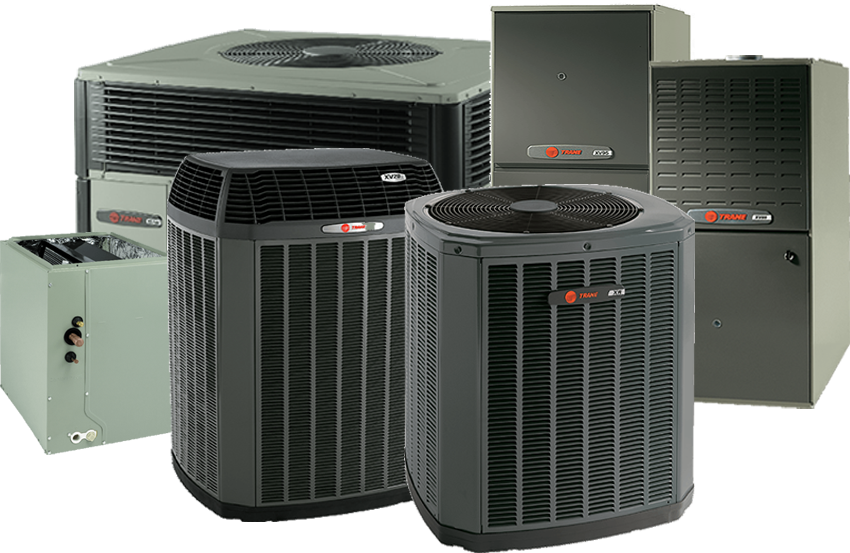
Customers consistently recognize us as the premier local HVAC company, attributing it to our excellence in work, competitive pricing, and unmatched industry expertise.We offer top-of-the-line heating and air-conditioning (HVAC) services to residential and commercial properties. Excellence is our standard.
24 -Hour Emergency Air Conditioning Service
Excellent Customer Service
Professional Trained Technicians
Highest Rated Equipment
Competitive Pricing
Free System Replacement Estimate
Incredible Reputation

Commercial Appliance Repair
Our comprehensive expertise covers the servicing and maintenance of a diverse range of commercial equipment, including commercial refrigeration units like reach-in refrigerators and freezers, refrigerated pizza prep tables, deli cases, and displays. Additionally, we excel in the repair and upkeep of various commercial kitchen appliances, such as ovens, ranges, pressure cookers,and grills. Count on us to deliver top-notch service for leading brands like True, Turbo Air, Heat-craft, Arctic-Air, and many others, ensuring the seamless operation of your business.

Commercial Ice Machine Repair
Our commitment to keeping your commercial ice machine in top-notch condition extends to understanding the unique requirements of restaurants and stores. We recognize the diverse demands of these businesses and tailor our services to ensure that your ice machine operates efficiently, meeting the specific needs of your establishment. Trust us to safeguard your investment and contribute to the uninterrupted flow of operations in your restaurant or store. Call Us for all your Ice Machine repairs.

Subzero and Wolf Products
Are you frustrated with the limited options available for repairing your Wolf Gas Range or Subzero Refrigerator? Good news! Commencing December 1, 2024, we will be offering repair and service for these appliances. Take advantage by signing up in advance for a one-year service agreement on any Subzero or Wolf product. As a bonus, enjoy an additional one-year service agreement for one AC system in your home-for FREE. This opportunity expands your limited choices and ensures reliable service for your kitchen essentials. And, if you have more than one Subzero product, be sure to ask about our all-in-one maintenance package. Seize the moment – act now!
Why Use John's Heating, Cooling, and Appliance Repair as Your Multi Service Provider?
John's Heating, Cooling, and Appliance Repair is a trusted provider of HVAC , commercial refrigeration, and appliance repair services. With years of experience in the service industry, John's Heating, Cooling, and Appliance Repair has become a go-to service provider for Fayette County, Coweta County, Henry County, and surrounding areas.
We understand that air conditioning and appliance repair issues can be disruptive and stressful, which is why we provide prompt and reliable repair service. We repair a wide range of products commercial refrigerators, commercial freezers, gas ranges, gas grills, pressure cookers, household appliances, and commercial water heaters.
We also provide repair and maintenance service for heating and air conditioning systems, including furnaces, mini splits and heat pumps. John is among the select few technicians in Georgia who has received training from some of the most expensive appliance manufacturers in the U. S. and Italy.
Choosing
John's Heating, Cooling, and Appliance Repair
for your commercial refrigeration,
HVAC,
and
appliance repair
needs ensures you're in good hands. With our commitment to providing top-quality workmanship and exceptional customer service, we are the ideal choice for homeowners and business owners in need of reliable and efficient repair services.
Get in touch with us now to discover the ins and outs of our services and how we can ensure the seamless operation of your air conditioning systems, refrigeration products, and appliances. We are the best-kept secret that the new Fayetteville, Peachtree City, and Newnan area residents have yet to uncover. Unbeknownst to many, we are the ultimate solution for all your air conditioning, refrigeration, and appliance repair needs. We are a local family owned business.
We have often been referred to as the best service company that you have never heard of!